
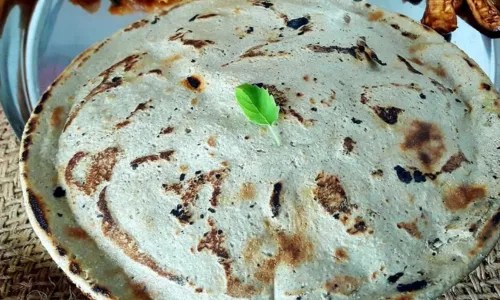
Bajra roti, a traditional Indian flatbread made from pearl millet flour, is not only significant in Indian cuisine but also has a rich cultural heritage. Its nutritional profile, gluten-free nature, and delicious taste have made it a staple in many households across the country, reflecting the diversity and depth of Indian culinary traditions.
Nutritional Benefits of Bajra Roti
Bajra roti is not just a tasty addition to your meal, it’s a nutritional powerhouse. Packed with numerous health benefits, it’s a smart choice for those looking to maintain a balanced diet:
- High in Fiber: One of the standout features of bajra roti is its high fibre content. Fibre aids digestion, promotes satiety and helps regulate blood sugar levels, making it an excellent choice for those looking to maintain a healthy weight.
- Rich in Minerals: Bajra is a good source of essential minerals like iron, magnesium, phosphorus, and potassium. These minerals play crucial roles in maintaining overall health, including supporting bone strength, muscle function, and energy production.
- Gluten-Free: For individuals with gluten sensitivities or celiac disease, bajra roti offers a gluten-free alternative to wheat-based bread. This makes it an inclusive option for those with dietary restrictions.
How to Make Bajra Roti?
Making bajra roti at home is a simple and enjoyable process that requires minimal ingredients. Here’s a basic recipe to get you started, empowering you to try this nutritious delight in your own kitchen:
Ingredients required:
- Bajra (pearl millet) flour
- Water
- Salt (optional)
Step-by-step instructions:
- In a mixing bowl, combine bajra flour and a pinch of salt (if desired).
- Gradually add water and knead the mixture into a soft dough.
- Divide the dough into small portions and shape them into balls.
- Flatten each ball into a round disc using a rolling pin, dusting with flour to prevent sticking.
- Heat a griddle or tawa over medium heat and place the rolled roti on it.
- Cook on both sides until golden brown spots appear, applying ghee or oil if desired.
- Serve hot with your favourite curry or accompaniment.
Variations of Bajra Roti
Bajra roti offers versatility in preparation, allowing for various creative variations:
- Mixed Grain Rotis: Combine bajra flour with other flours like wheat, jowar, or ragi for a multi-grain twist.
- Stuffed Bajra Rotis: To elevate the taste and nutritional value, add flavorful fillings like spiced potatoes, paneer, or greens.
Health Benefits of Including Bajra Roti in Your Diet
Incorporating bajra roti into your regular diet can have several positive impacts on your health, motivating you to make this healthy choice:
- Weight Management: The high fibre content of bajra helps in keeping you full for longer durations, reducing the tendency to overeat.
- Diabetes Management: Bajra has a low glycemic index, making it suitable for individuals with diabetes as it helps in controlling blood sugar levels.
- Digestive Health: The fibre in bajra aids in digestion and prevents constipation, promoting a healthy digestive system.
Bajra Roti vs. Wheat Roti: A Comparison
While both bajra roti and wheat roti are popular choices, they differ in various aspects:
- Nutritional Differences: Bajra roti is richer in fibre and certain minerals compared to wheat roti, making it a healthier option.
- Taste and Texture: Bajra roti has a slightly nutty flavour and denser texture compared to the softer texture of wheat roti.
Bajra Roti Recipes from Different Regions
Across India, various regions have their unique ways of preparing bajra roti:
- North Indian Bajra Roti: Often served with sarson ka saag or dal, this roti is a staple in Punjabi households.
- Gujarati Bajra Rotla: Thicker than the traditional roti, it pairs well with spicy curries like undhiyu or aam ras.
- Rajasthani Bajra Khichdi: A nutritious one-pot meal made with bajra and moong dal, flavoured with spices and ghee.
Tips for Perfect Bajra Rotis Every Time
To ensure your bajra rotis turn out soft and delicious, keep these tips in mind:
- Dough Consistency: Aim for a soft and pliable dough by gradually adding water while kneading.
- Rolling Technique: Roll the rotis evenly to maintain consistent thickness for even cooking.
- Cooking Method: Cook the rotis on a hot grill or tawa, flipping them occasionally until golden brown spots appear.
Serving Suggestions and Pairings
Bajra roti pairs well with a variety of dishes and accompaniments:
- Accompaniments: Enjoy bajra roti with curries, dals, chutneys, or pickles for a satisfying meal.
- Ideal Meals: Serve bajra roti with nutritious sides like vegetable stir-fries, lentil soups, or yoghurt-based dishes for a balanced meal.
Frequently Asked Questions (FAQs)
- Is bajra roti good for weight loss? Yes, bajra roti is beneficial for weight loss due to its high fibre content, which promotes satiety and aids in controlling appetite.
- Can bajra roti be eaten daily? While bajra roti can be included in your daily diet, it’s essential to maintain variety and balance by incorporating other grains and foods as well.
- How long can bajra roti be stored? Bajra roti can be stored for a day or two at room temperature. To extend its shelf life, store it in an airtight container in the refrigerator for up to a week.
- Can bajra roti be made without oil? Yes, it can be. Simply dry roast it on a hot grill or tawa until cooked through.
- Is bajra roti suitable for gluten-sensitive individuals? Yes, bajra roti is gluten-free and ideal for individuals with gluten sensitivities or celiac disease.
 Agora Mall